
Baitcasting Reels
Products found: 162 · page 1 of 6
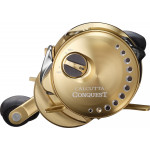
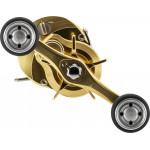
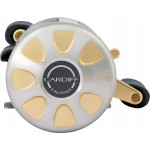
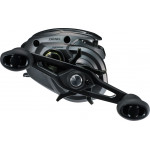
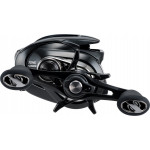
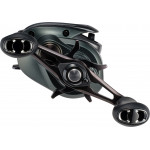
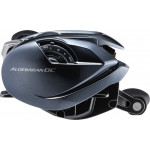
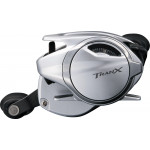
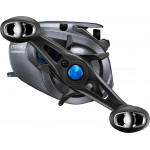
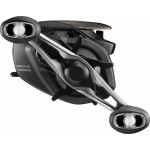
A baitcasting reel sits on top of the rod, with a spool that spins on its own axis during the cast. The size number on the body is not the same scale as a spinning reel's, a baitcasting size and a spinning size cannot be read against each other. The most common baitcasting sizes cluster in a narrow band of their own numbering. A small baitcasting size is small only within its own scale, it does not do the same job as a small spinning reel. Because the site's casting weight and size matching is built on the spinning scale, it does not carry over cleanly into this category.
Baitcasting reels run a high gear ratio
Median gear ratio sits well above the catalogue-wide median, and the fastest ratio in the catalogue belongs to this group. That speed matters for techniques built around casting a lure and winding it straight back in. Drag does not scale up the same way, median max drag is about half the catalogue-wide figure. Freshwater pike fishing calls for a minimum drag just above the baitcasting median, a threshold only part of this shelf meets.
Drag type and weight
Every baitcasting reel in the catalogue uses a star drag, none carry a front drag. Because the drag control sits above the handle, it can be adjusted mid-fight without taking a hand off the line. Median weight makes this the lightest reel group in the catalogue. Median ball bearing count sits just above the spinning reel median. Shimano accounts for about half the listing, with Daiwa and Okuma the next largest shares.
Rod matching runs on casting weight
The catalogue has no separate baitcasting rod category. This range can be filtered from the jigging rod and spinning rod listings instead. Baitcasting reels make up a small share of the wider reel range. They are used for freshwater pike and zander, and for light jigging at sea. Heavier boat work sits with conventional reels, and the full listing is on the reels page.