
Conventional Reels
Products found: 214 · page 1 of 8
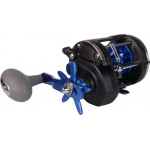

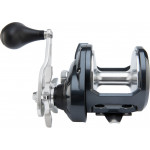
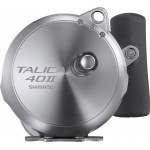
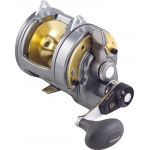
The difference between a conventional reel and a spinning reel is not spool size, it is the direction the line takes on the way out. Line peels off a spinning reel's fixed spool in loops, while on a conventional reel the spool itself rotates and line runs straight off it. Sending a heavy lead into deep water puts less twist into the line this way, though casting a light lure from the shore becomes harder.
Conventional reels make up a solid share of the wider reel range, spread across a wide set of series. The size scale has nothing to do with the spinning scale, conventional sizes use their own short numbering. The brand split is uneven, Okuma alone accounts for most of the listing, with Shimano a distant second and only a handful of models from other brands.
Max drag and line counter
Median max drag sits slightly above the catalogue-wide figure, and the ceiling is the highest in the catalogue. Drag type splits between lever drag and star drag, lever drag the more common of the two. Every reel with a line counter sits in this category, useful for bottom fishing that needs the same depth reached every time.
Weight and gear ratio
Median weight is more than double the spinning reel median, and these reels work resting in a rod holder or against a boat's gunwale rather than held and cast for hours. Median gear ratio is low, and the slowest models in the catalogue sit here, the handle turning slowly to give the torque for winding a lead weight back up. Median ball bearing count sits just below the spinning reel median. Once the lead gets heavy, a larger conventional size suits the load better than a smaller one.
Matching a boat outfit
Boat rods carry a heavy median casting weight. Bottom fishing from a boat sets a minimum drag that does not distinguish between spinning and conventional reels for that figure. Depth decides the choice, outfits working in deep water are where line counters and higher drag ratings cluster. Rods for this pairing sit on the boat rod pages, and reel choice there comes down to matching drag and gear ratio to the depth being worked. Reels with a motor instead of a hand crank are listed under electric reels.