
Jigging Rods
Products found: 107 · page 1 of 4
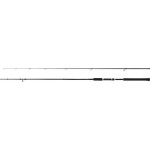
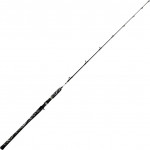
Yuki Nuba Extra Slow Casting 210 cm
Score
Yuki Nuba Extra Slow Casting 180 cm
Score
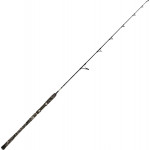
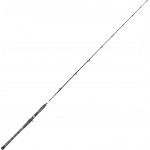
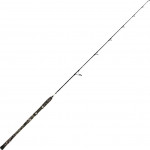
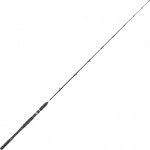
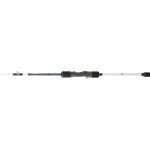
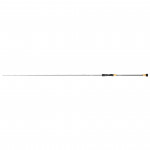
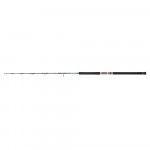
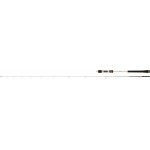
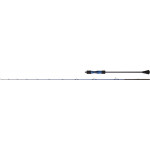
A jigging rod is a short rod built to work a heavy jig vertically from a boat. This shelf has the shortest median length in the rod range, with the most common lengths clustered close together around that figure. A short length suits a lure that is worked straight up and down over the gunwale for long stretches. Median casting weight is high, so the shelf sits toward the heavy end of the range.
Action shifts toward slow in jigging
Across the rod range as a whole, slow action is the smallest group by far. On this shelf the pattern reverses, slow and medium action together make up most of the models, and fast action is a small minority. The technique explains why. Slow pitch jigging needs the rod to bend through its whole length so the jig can move on its own, a rod that loads only at the tip works the lure in short jerks instead. Filtering for fast action narrows this shelf down sharply.
Power range and number of sections
On power, heavy and medium heavy are the largest groups, with medium and extra heavy also represented. By number of sections, two-piece is the largest group by far, with one-piece rods forming a smaller group. A one-piece rod carries load without a break point at a joint, at the cost of a longer length to transport. The most common casting range sits in the heavy band, though only a handful of models share that exact band, since each series tends to state its own weight window. Keeping the casting weight filter broad rather than locked to one narrow band leaves a more useful set of comparable rows.
Choosing a jigging rod on its own is not quite enough. Matching this shelf to a reel means finding one built for a short rod carrying a wide, heavy casting weight window. For tackle dropped straight to the bottom from the same trip, boat rods cover that shelf, and on the reel side spinning reels and conventional reels are the two to compare.