
Boat Rods
Products found: 258 · page 1 of 9
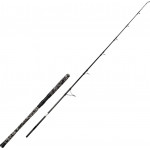
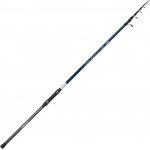
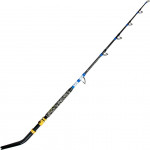
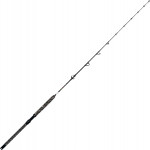
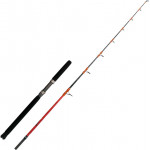
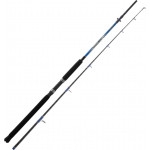
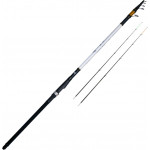
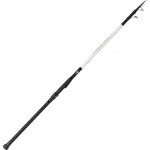
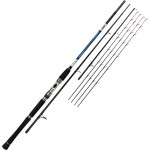
A boat rod is a short, strong rod built to work vertically over the gunwale. This shelf has a short median length, and the most common lengths are spread across a band of short and mid-length rods. Where tackle is worked side by side over the rail, a shorter length cuts down the risk of lines tangling.
Current sets the sinker weight
Median casting weight is high, and the most common range runs from medium to heavy sinkers. Where current runs harder, such as at the mouth of a strait, a sinker at the median weight falls short and a heavier range takes over. In calmer bays, a lighter range is enough. At the top end the catalogue runs up to tackle built for deep water, and at the bottom a single very light model sits on its own on this shelf.
One-piece share runs high on the boat shelf
Two-piece rods are the larger group, but the one-piece share on this shelf runs higher than across the rod range as a whole, since a boat rod can be carried already assembled. A two-piece rod suits tackle with limited storage space, a one-piece rod suits tackle that stays rigged aboard. On action, fast and extra fast together account for most models, showing that a quick strike is the priority. On power, heavy is the largest single group, reflecting the sinker weights used in bottom fishing.
Drag and gear ratio
A boat rod of this weight calls for a reel with a firm minimum drag rating. Within conventional reels, median drag runs slightly above the catalogue-wide figure, and a good number of models include a line counter. Where retrieve speed matters more, the higher median gear ratio within spinning reels fits better. This drag and gear ratio balance matters most when working a sinker straight up and down from a boat, since the reel has to hold steady under load. Comparison runs on specification and hardware.